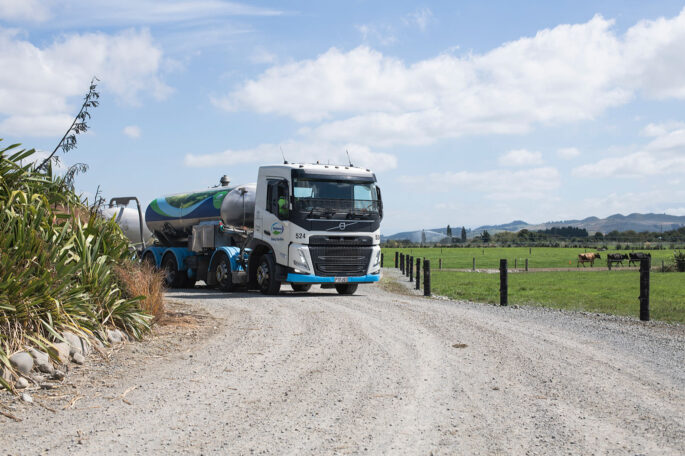
100% of CPWL shareholder farms have a Farm Environment Plan, driving sustainability at scale.
Home // CPWL Compliance and Oversight Agriculture
CPWL Good
Agricultural
Practice
CPWL Compliance and Oversight Agriculture.
CPWL’s environmental performance is monitored through a robust framework of independently audited on-farm practices and reporting. Oversight by the Trust ensures that shareholder farms are meeting or exceeding all relevant consent conditions and regional planning requirements. High levels of compliance across the scheme reflect a shared commitment to responsible land use and continual improvement, anchored by regular audits, data-driven decisions and transparent reporting.
Good Agriculture
Practice
Independent Audit Performance
99.3% of farms receive an A or B grade from independent Farm Environment Plan audits.
Nitrogen Reduction
Budgets
Nitrogen loss across CPWL farms is 29% below the scheme’s discharge allowance.
Groundwater Recharge
50–70 million m³ of groundwater saved each year by switching from bores to reliable scheme water.
Nitrogen Reduction Budgets
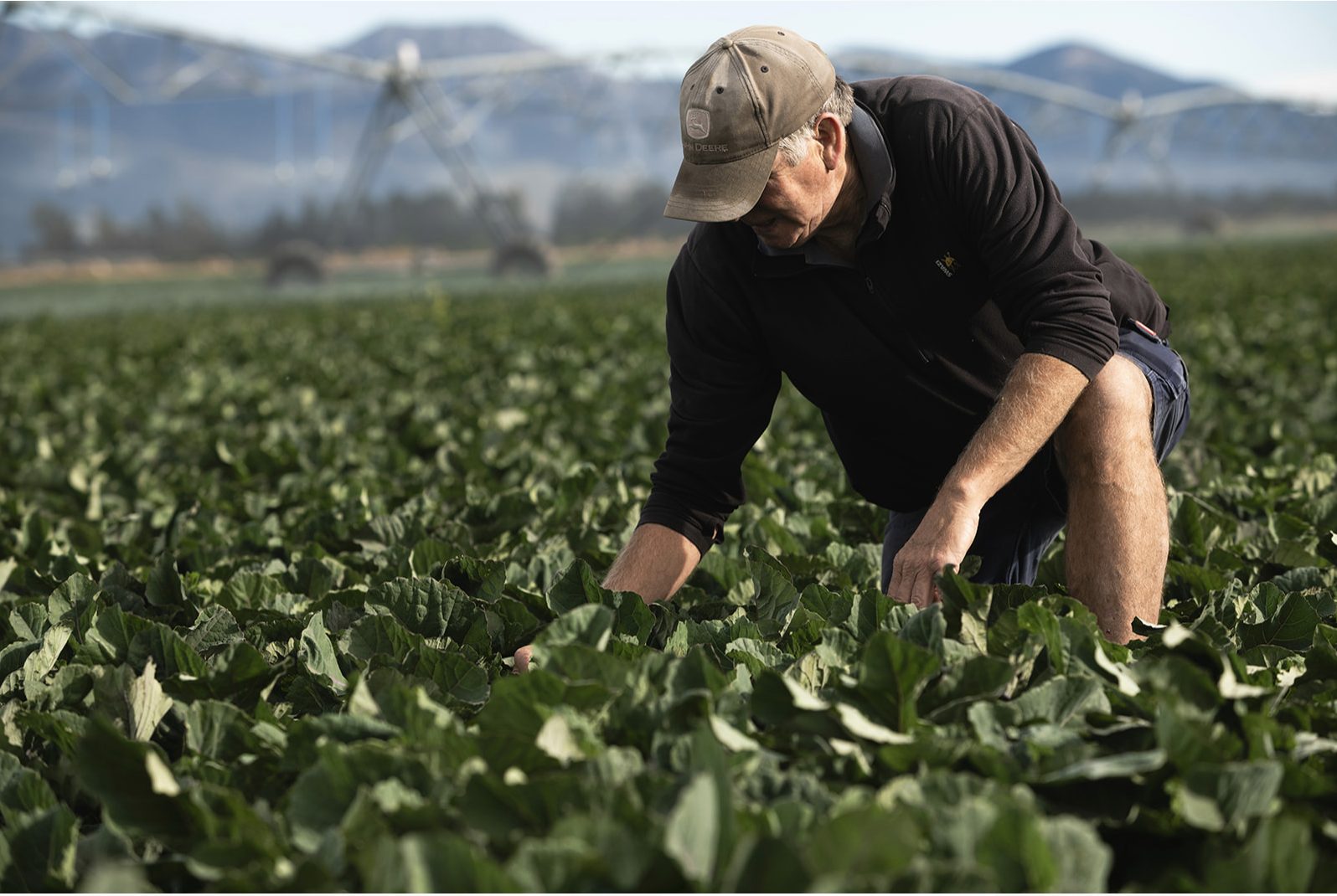
All CPWL shareholder farms are required to prepare and audit nutrient budgets as part of the scheme’s environmental compliance obligations. In 2024, nitrogen losses across the scheme were 29% below the total discharge allowance, meeting the targets set in the Land and Water Regional Plan. Even with the addition of 21,500 hectares of new irrigation, overall nitrogen loss remains 10% lower than the original baseline estimate, a strong indication of sustainable nutrient management across the scheme.
The Trust monitors and reports on these outcomes as part of its independent oversight role.
Switching off
Farm Bores
One of the key benefits of the CPWL scheme is the large-scale shift away from groundwater abstraction. With reliable water sourced from the Rakaia, Waimakariri, and Kowai Rivers, farmers have been able to reduce or switch off farm bores, saving an estimated 50–70 million cubic metres of groundwater annually. This supports aquifer recovery and helps restore flows to lowland streams.
Flow on effects into the community.
While the Trust’s core responsibility is environmental governance, it acknowledges the broader context in which the scheme operates. In 2024, CPWL and its shareholders contributed an estimated $364 million to Canterbury’s regional GDP and supported 2,135 full-time equivalent jobs. These flow-on effects are felt across regional industries, businesses and communities, highlighting the importance of balancing environmental protection with economic resilience.