
CPWL tracks and maps birds to inform protection strategies.
Home // Compliance and Oversight Biodiversity
Safeguarding
Avian Treasures
CPWL Compliance and Oversight Biodiversity
As part of its oversight, responsibilities the Trust reports on CPWL’s environmental commitments and outcomes.
Safeguarding Avian Treasures
As part of CPWL’s resource consent compliance obligations, detailed bird surveys are carried out near the braided Rakaia and Waimakariri River intakes. These surveys are one of several environmental performance areas that CPWL reports on to the Trust.
CPWL undertakes this work to safeguard at-risk and nationally threatened bird species. These include the South Island pied oystercatcher, tōrea, black stilt, kakī, pied stilt, poaka, wrybill, ngutuparore, banded dotterel, pohowera, black-billed gull, tarāpuka, white-fronted tern, tara, and black-fronted tern tarapirohe.
These birds are ecologically significant, holding deep cultural, spiritual, and ancestral importance.
Bird Monitoring
Bird Populations
CPWL reduces bird disturbance for population stability.
Freshwater
Fish recovery
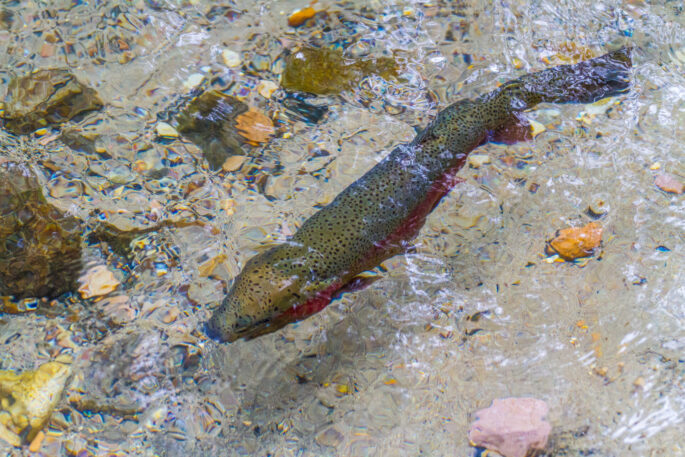
As part of CPWL’s resource compliance commitments, a detailed freshwater fish recovery plan is implemented and reported. Developed in consultation with NIWA the plan supports the protection and safe passage of native freshwater species around the scheme’s intakes on the braided Rakaia and Waimakariri Rivers.
Key freshwater fish protection measures include fish screens, bypass channels, and a carefully managed dewatering process designed to minimize harm, support natural migration, and return fish safely to the river. CPWL’s trained staff lead recovery events, capturing and recording fish for return into the flowing river braids.

CPWL freshwater fish recovery plan protects native fish
Training and reporting strengthens knowledge and care.
Supporting people and place
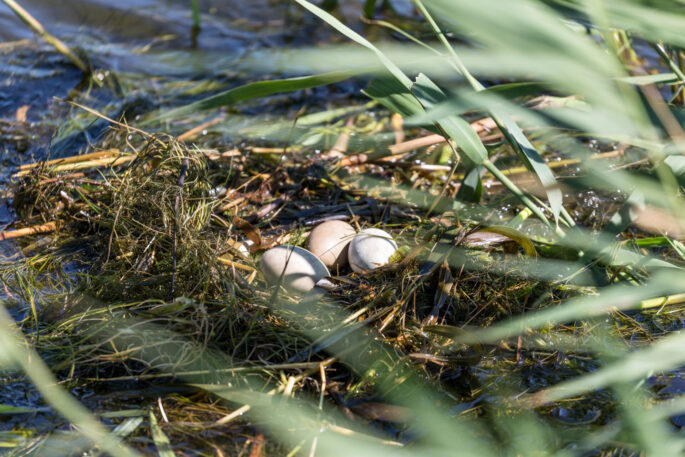
The Trust acknowledges the environmental initiatives reported by CPWL across the Selwyn Waihora catchment. These include efforts that contribute to the health of Te Waihora and support mahinga kai, traditional food-gathering practices such as collecting swan’s eggs, and harvesting tuna (eel), pātiki (flounder), aua (mullet), īnanga (whitebait), and waterfowl.
These activities reflect the connection between land, water and people, and support intergenerational wellbeing across the region.