
CPWL Water
Stewardship
CPWL Compliance and Oversight Water Stewardship
CPWL provides environmental monitoring data to the Trust, which is independently reviewed by the Ground and Surface Water Expert Review Panel (GSWERP), approved by Environmental Canterbury. The Trust consolidates this information into its annual Sustainability Report, which is then provided to the settlors – Selwyn District Council and Christchurch City Council.
Surface and Groundwater Monitoring
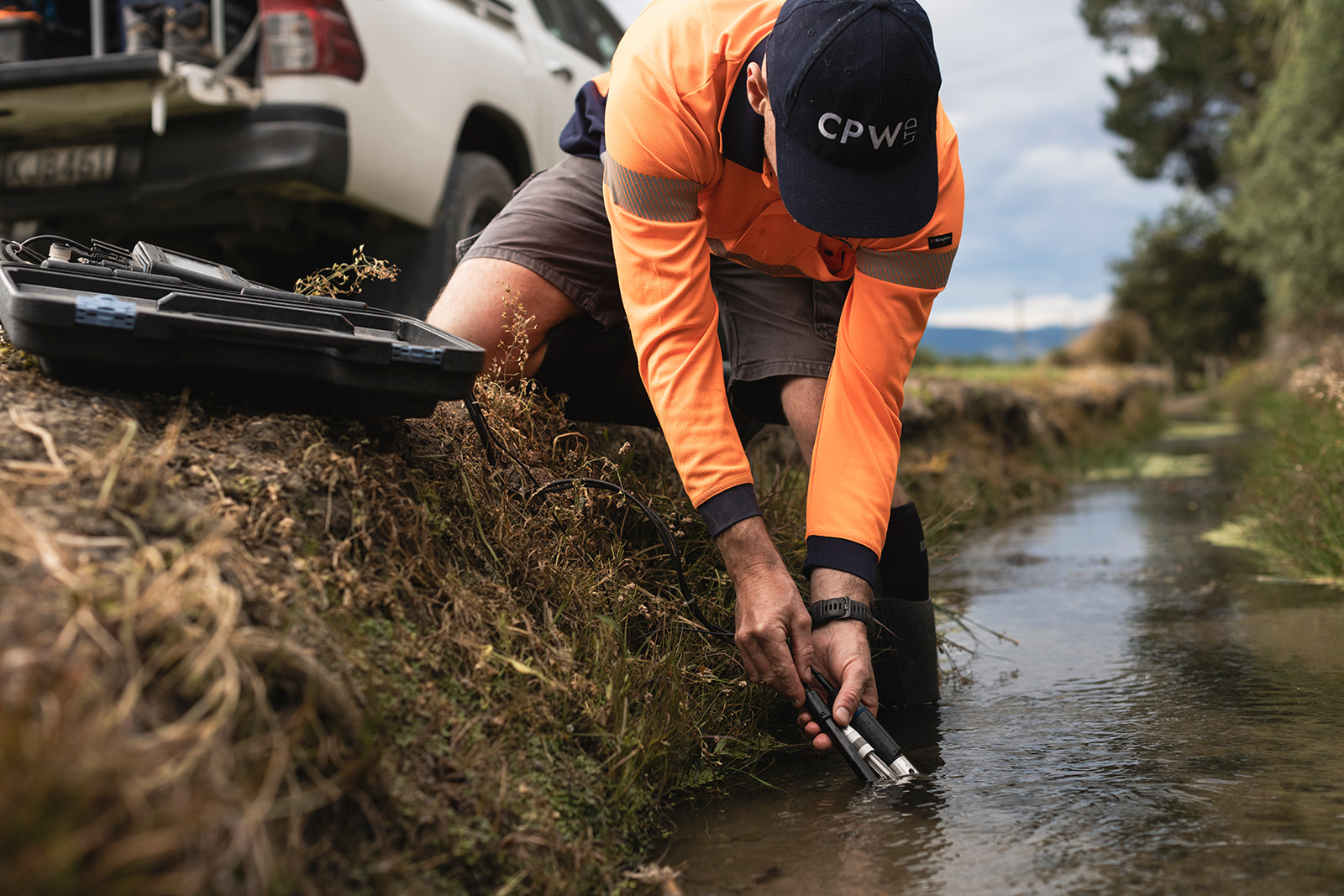
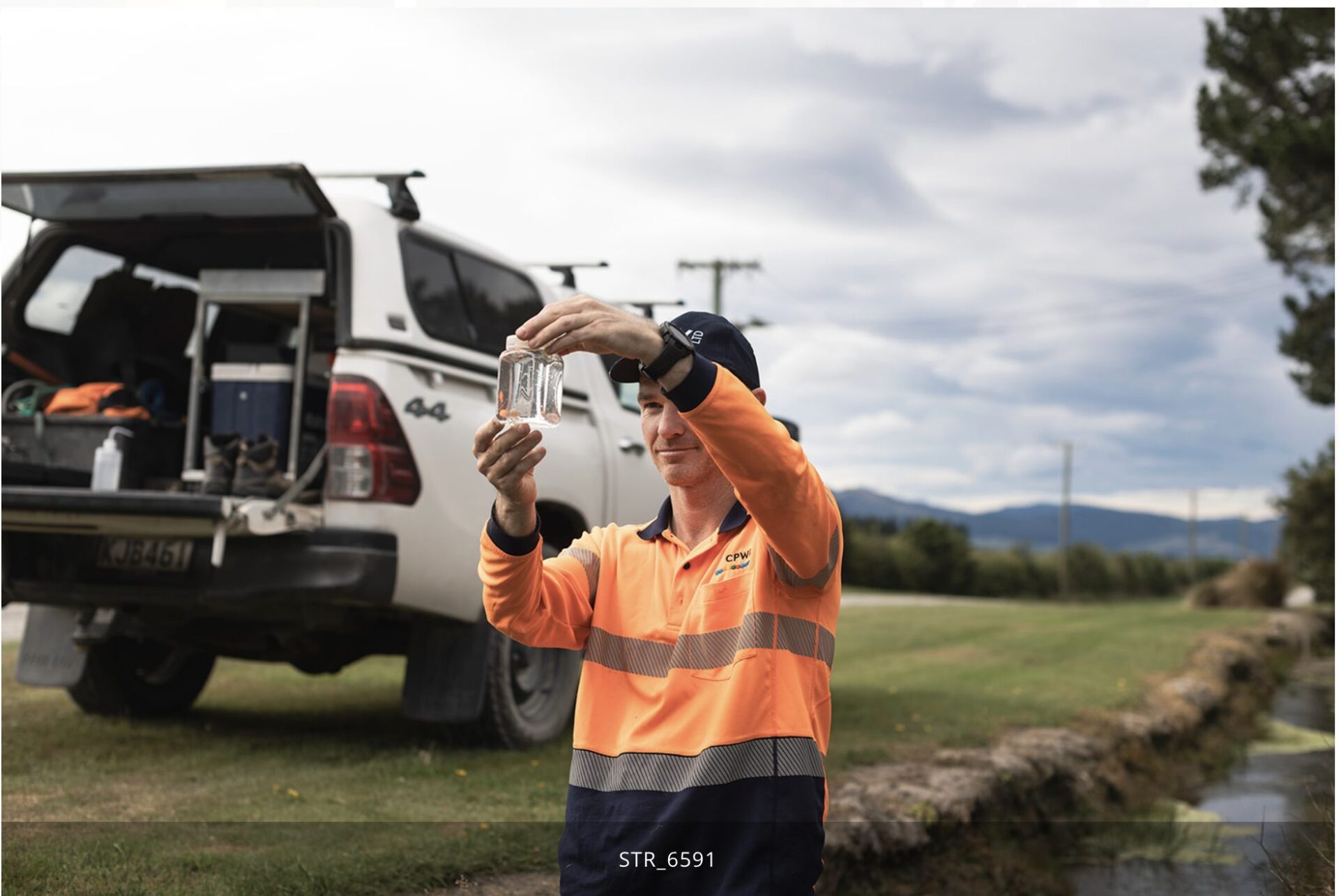
Monitoring both surface and groundwater is essential to understanding the environmental effects of the CPWL scheme. Since 2014, nearly 3,500 water samples have been collected from 60 sites across the region, helping to track key indicators like nitrate levels and support targeted action where needed.
Long-term monitoring shows that groundwater nitrate trends are consistent with regional patterns observed by Environment Canterbury. Early observations also suggest potential improvements in groundwater quality beneath the oldest parts of the scheme, though further data is needed to confirm these trends. Additional data is being collected across the scheme to strengthen confidence in long-term trends and guide future planning.
By gathering robust environmental data and acting on it, CPWL transparently meets its compliance obligations and contributes to the settlor’s objective of continuous improvement in regional water.
Recharging Aquifers,
restoring flows

Near River Recharge
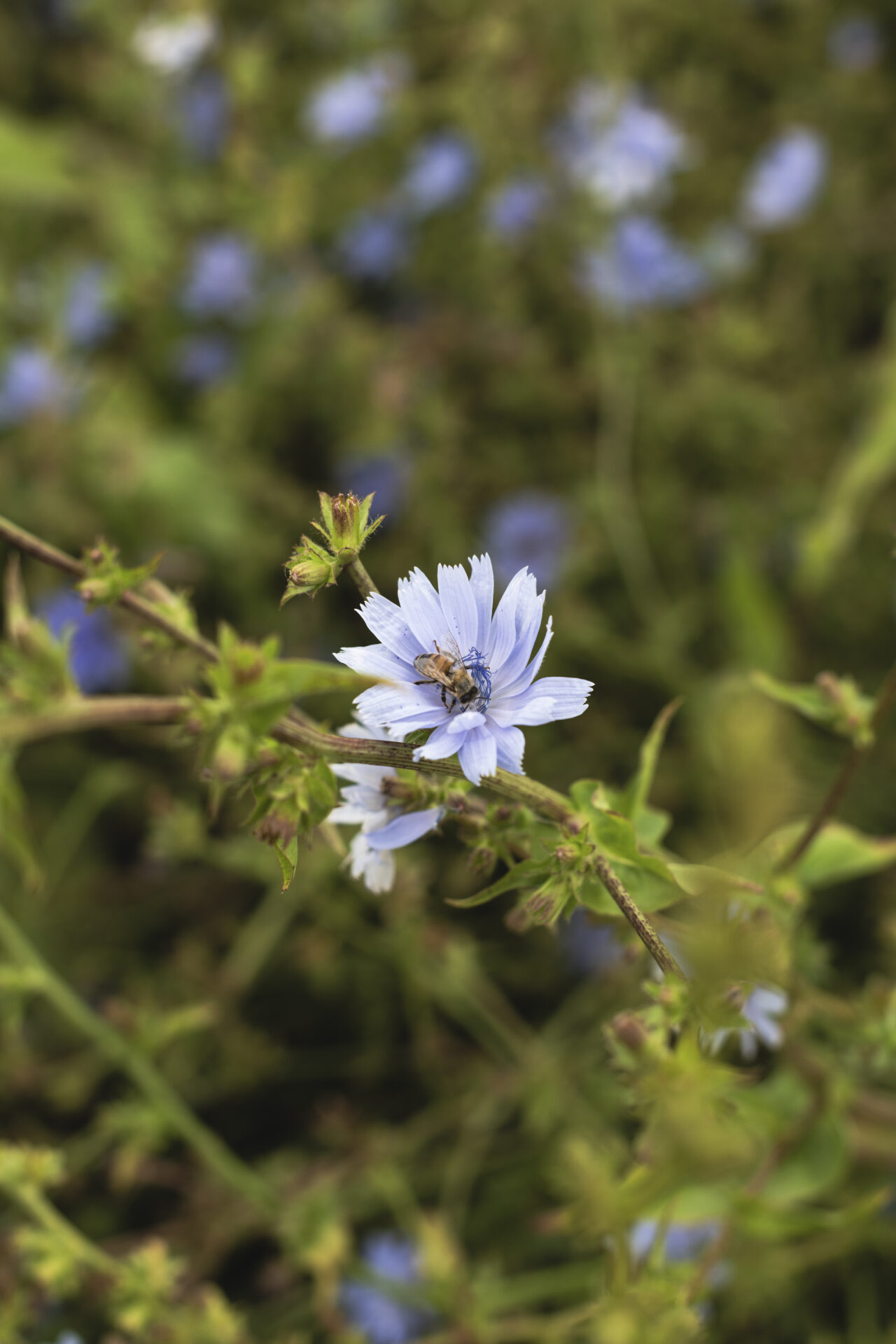
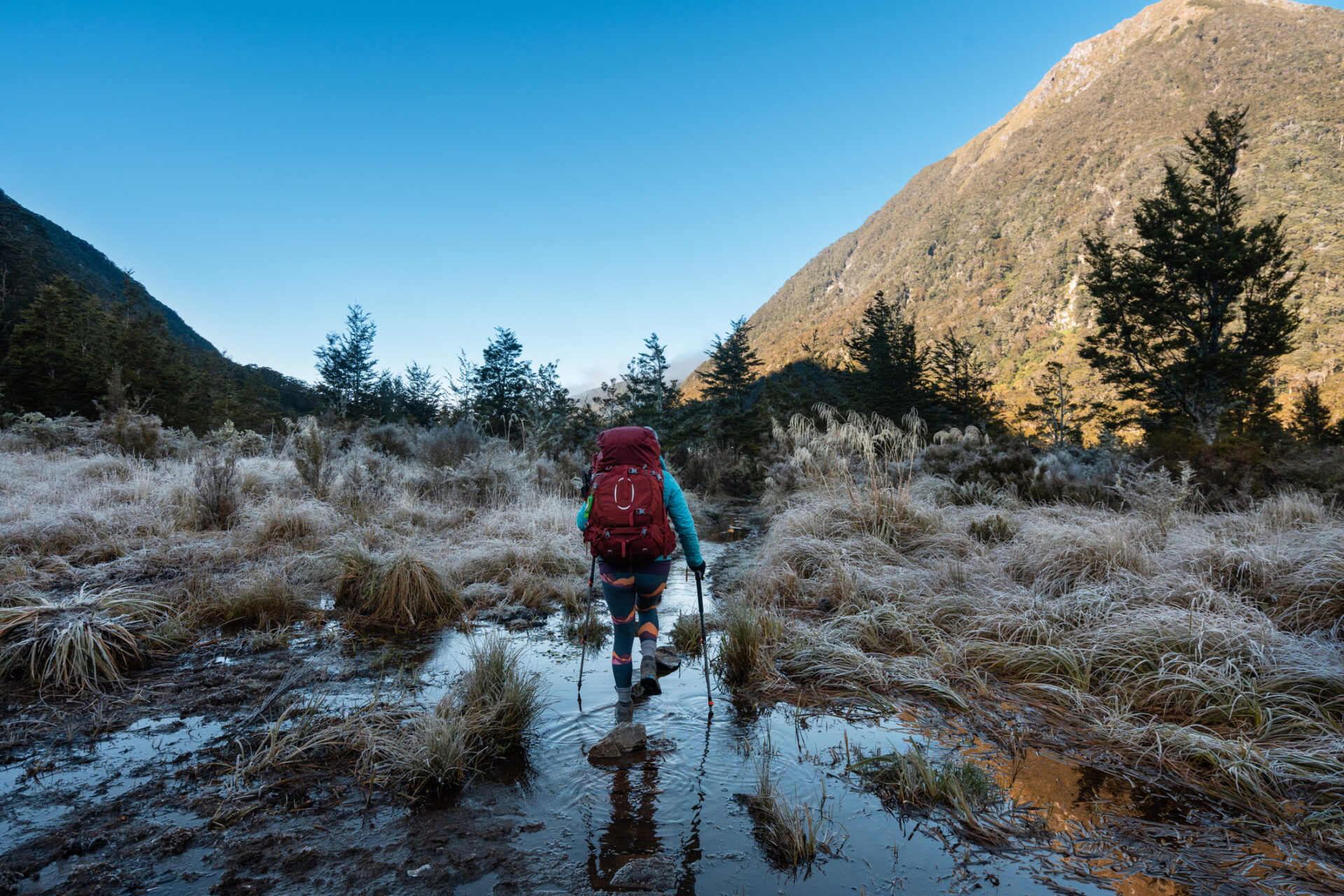
The Selwyn, Waikirikiri Near River Recharge project is a mult-million-dollar initiative that uses alpine sourced water and infrastructure from the CPWL scheme to recharge groundwater near the Selwyn River during dry periods. This helps sustain flows in the in the Selwyn, Waikirikiri and Hororate Rivers and supports ecological health through naturally filtered and high-quality water.
The project was recommended by the Selwyn Waihora Water Zone Committee and included in the Zone Implementation Programme Addendum in 2013. It was funded by Environment Canterbury and the Ministry for the Environment’s Freshwater Improvement Fund, with in kind support from CPWL.
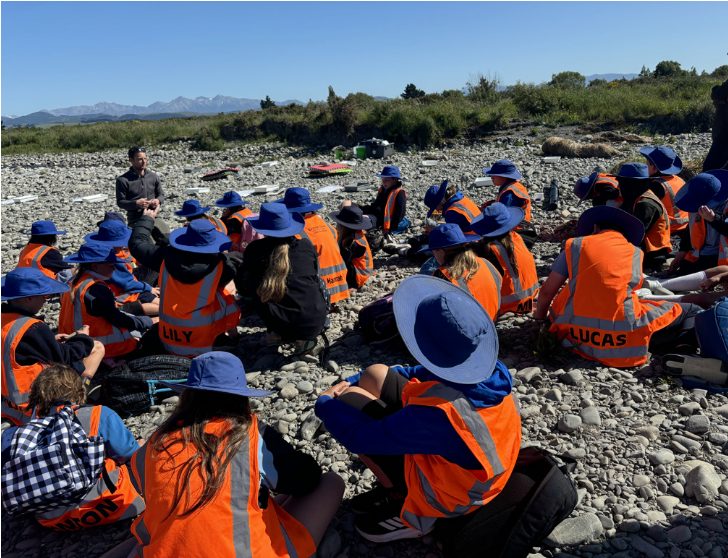
Greendale School students have adopted the recharge site as a living classroom, learning about biodiversity, freshwater systems, and the practice of kaitiakitanga through hands-on monitoring and ecological restoration.